
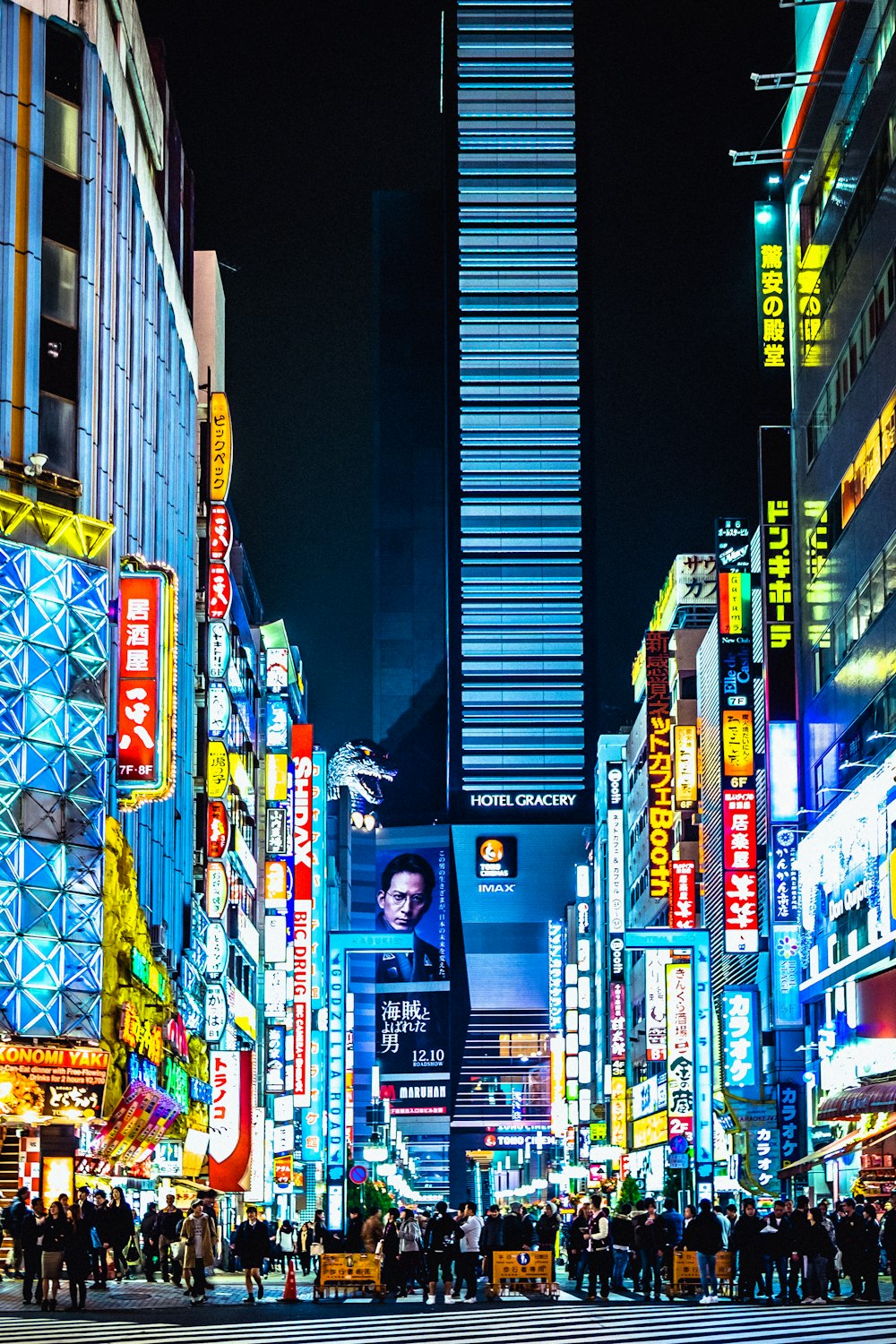
Traveling to Japan is one of the most delightful cultural adventures in the world, largely because Japanese society functions on deep mutual respect, omotenashi (heartfelt hospitality), and harmony (wa).
### Rule 1: The Zero-Tipping Philosophy
In Japan, exceptional service is the standard, not an upsell. Tipping is not practiced and can actually cause confusion or embarrassment. If you leave extra coins on the table at a restaurant, the server will likely chase you down the street to return the money you 'forgot'! The bill presented at your table is the exact final amount. To show gratitude, simply say with a slight bow: *'Gochisosama deshita'* (Thank you for the delicious meal) or *'Arigato gozaimasu'* (Thank you very much).
### Rule 2: The Art of the Bow (Ojigi)
You do not need to overthink bowing. A simple 15-degree nod of the head and upper torso with hands at your sides or front is universally appreciated when greeting hotel staff, shopkeepers, or asking for directions. Handshakes are also common when meeting international travelers, but let the local host initiate.
### Rule 3: The Money Tray (Tsuri-sen)
When paying in cash at any store, restaurant, or taxi, never hand cash or credit cards directly from hand to hand. Look for the small plastic or wooden tray (called *tsuritray*) on the counter. Place your cash or card into the tray. The cashier will count your change aloud, placing bills and coins back into the tray with both hands.
### Rule 4: Train & Public Transit Etiquette
Trains in Japan are sanctuaries of quiet peace.
- Keep your phone on **'Manner Mode'** (silent mode with vibration off).
- Avoid speaking on phone calls inside train carriages.
- Speak in low, hushed tones with your travel companions.
- Backpacks should be held in front of your chest or placed on the overhead rack to avoid bumping passengers in crowded cars.
- No eating or drinking on local commuter subway trains (eating is perfectly acceptable and celebrated on long-distance Shinkansen bullet trains!).
### Rule 5: Trash & Recycling Secrets
You will quickly notice that public trash cans are virtually nonexistent on Japanese streets. Yet streets are spotless. Carry a small plastic bag in your daypack for your own rubbish and dispose of it back at your hotel room or at the convenience store (7-Eleven, Lawson, FamilyMart) where you purchased the item.